
Climbing Kilimanjaro Guide
Mount Kilimanjaro stands at 5,895 meters (19,341 feet) above sea level, making it the highest mountain in Africa and the highest free-standing mountain in the world. It rises directly from the plains without being part of a mountain range.
Unlike many famous peaks, Kilimanjaro does not require technical climbing skills. There is no need for ropes, ice axes, or mountaineering experience on standard routes. It is a high-altitude trek, not a technical climb.
Reaching the summit, known as Uhuru Peak, is a physical and mental challenge mainly because of altitude, not because of steep rock climbing.
Where Is Kilimanjaro Located?
Kilimanjaro is located in northern Tanzania, near the border with Kenya.
The closest town to the mountain is Moshi, which serves as the main base for climbers. Most trekkers arrive through Kilimanjaro International Airport before transferring to their hotel in Moshi.
The mountain is protected within Kilimanjaro National Park, and all climbs must be arranged through licensed operators with registered guides.


What Makes Kilimanjaro Unique?
Several factors make Kilimanjaro different from other mountains:
It is accessible to non-technical climbers.
You walk through five distinct climate zones in one journey:
Rainforest
Heath and moorland
Alpine desert
Arctic summit zone
You can stand on a snow-covered summit while looking down at African savannah plains.
It is one of the few high-altitude summits reachable by trekking.
The transition between ecological zones makes the experience feel like crossing continents within a single climb.
Who Can Climb Kilimanjaro?
Kilimanjaro is suitable for:
First-time high-altitude trekkers
Regular hikers
Physically active individuals
Determined beginners willing to prepare properly
You do not need climbing experience. However, you should be in good general health and prepared to train before the climb.
Age is not a strict limitation. Climbers range from teenagers (minimum age is usually 10 years) to people in their 60s and 70s. What matters more than age is cardiovascular fitness and the ability to adapt to altitude.
How Difficult Is It Really?
Many people underestimate Kilimanjaro.
The walking itself is not technically difficult. Most days involve steady uphill trekking for several hours at a slow pace.
The real challenge is altitude.
As you climb higher, oxygen levels decrease. Even very fit people can struggle if they ascend too quickly. Headaches, fatigue, nausea, and poor sleep are common at high elevations.
Summit night is the hardest part:
It begins around midnight.
Temperatures drop well below freezing.
The final ascent is slow and mentally demanding.
Success on Kilimanjaro is more about:
Choosing enough days for acclimatization
Moving slowly
Staying hydrated
Having experienced guides
Mental resilience
It is achievable, but it should be respected.
Kilimanjaro Routes – How to Choose the Right One
There are several established routes to the summit of Mount Kilimanjaro. All reach the same highest point, but they differ in scenery, duration, acclimatization profile, and crowd levels.
Machame Route

- Very scenic with dramatic landscape changes
- Strong “climb high, sleep low” acclimatization profile
- More physically demanding with steeper sections
- Camping only (no huts)
- Southern approach
- Good balance between challenge and success rate
Marangu Route
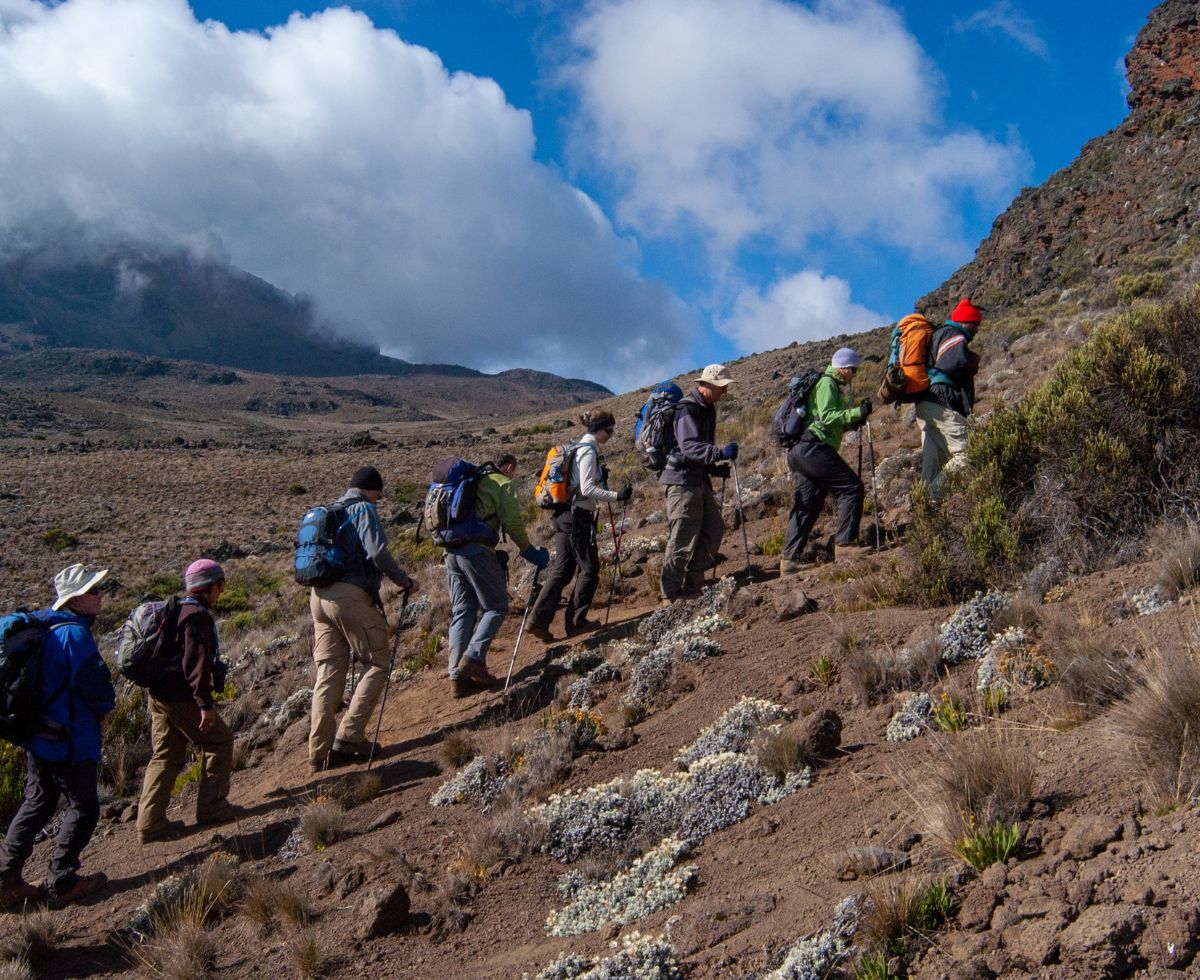
- Only route with hut accommodation
- Shorter itinerary (5–6 days common)
- Uses the same path for ascent and descent
- Less scenic variety compared to others
- Faster climb = less acclimatization time
- Considered the most “comfortable” option
- One of the oldest routes on the mountain
Lemosho Route

- Starts on the remote western side
- Less crowded during first few days
- Longer itinerary (7–8 days typical)
- Excellent acclimatization profile
- Very high summit success rate
- Crosses the Shira Plateau
- Joins Machame Route midway
Rongai Route
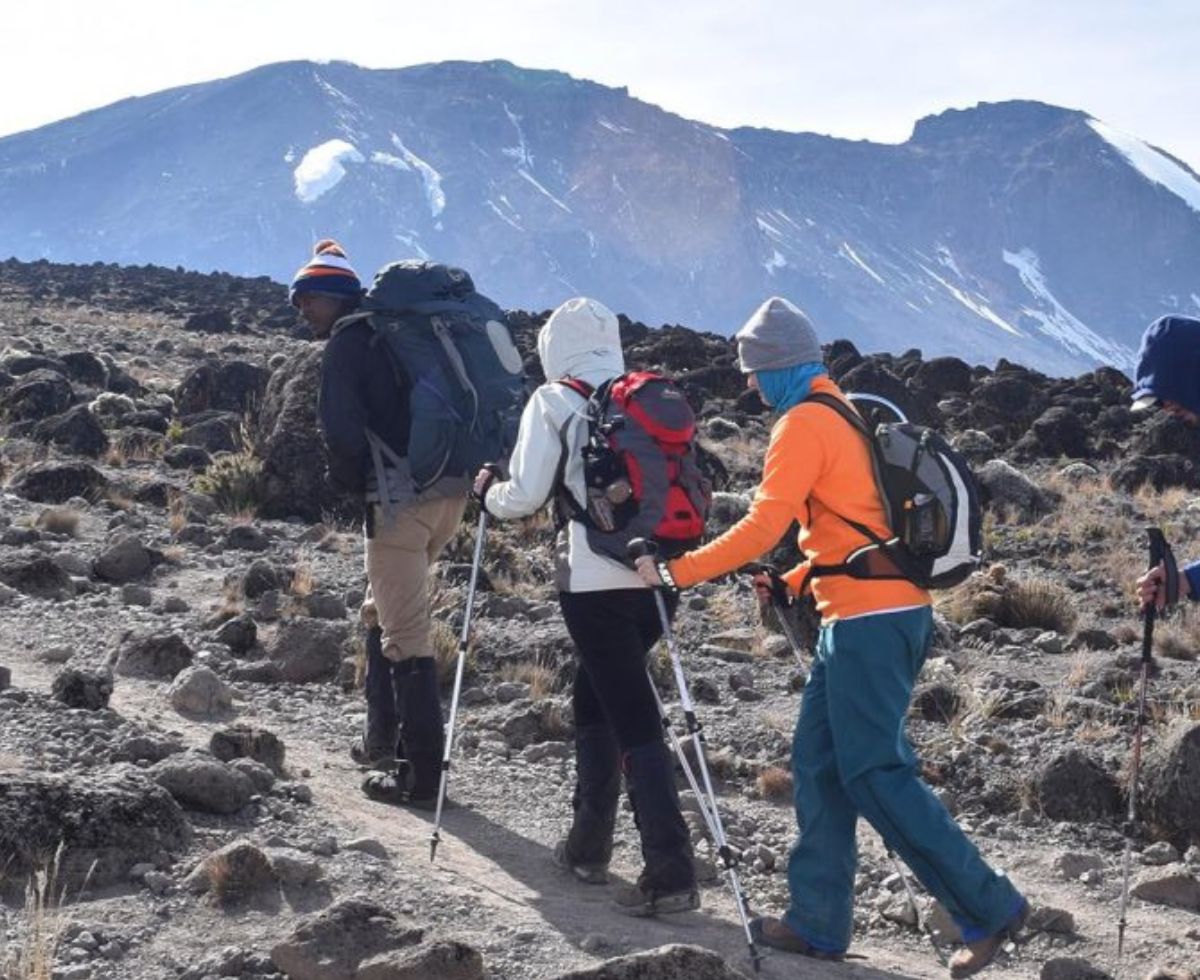
- Only route approaching from the north (near Kenya border)
- Drier climate (receives less rainfall)
- Less crowded overall
- More gradual slopes (less steep)
- Unique northern scenery
- Descends via Marangu Route
- Good option during rainy season
Northern Circuit Route

- Camping accommodation
- 8–9 days duration
- Very quiet and remote
- Best acclimatization profile
- Highest summit success rate
- Moderate (due to longer duration)
- Ideal for trekkers who prioritize summit success and a less crowded experience.
Umbwe Route
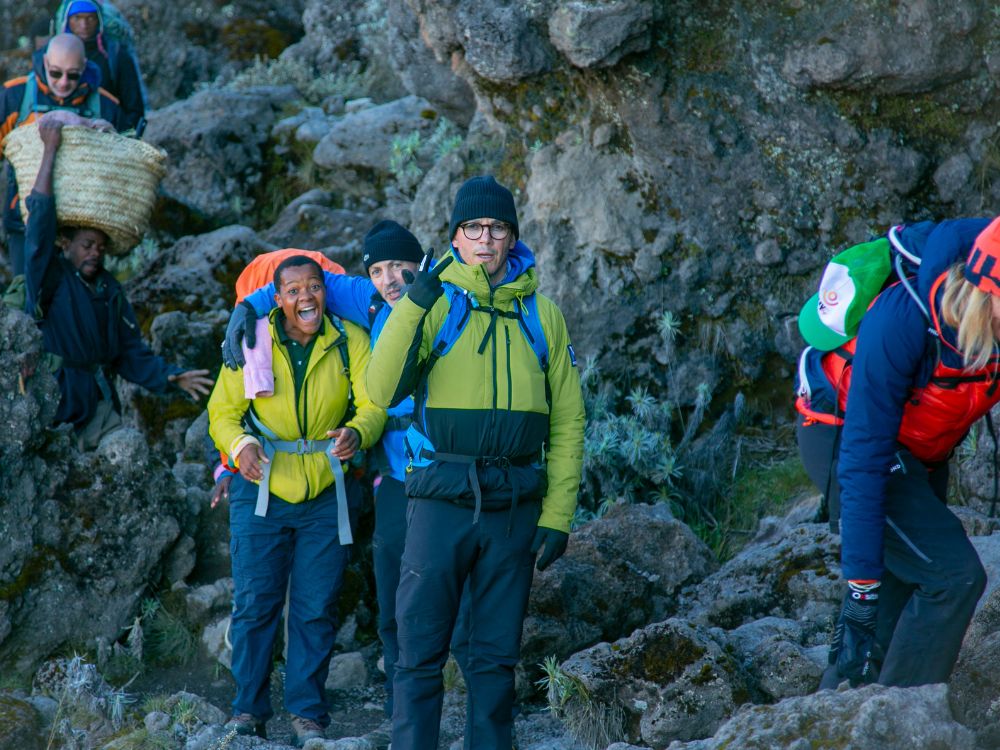
- Camping accommodation
- 6 days duration
- Best for experienced trekkers looking for a tough and adventurous climb.
- Steep and challenging
- Rapid ascent
- Lower acclimatization time
- Fewer climbers
How Many Days Do You Need?
The number of days directly affects your summit success rate.
Short climbs (5–6 days):
Cheaper
Physically demanding
Lower success rate due to limited acclimatization
Longer climbs (7–9 days):
Higher success rate
Better altitude adaptation
Less physical stress on summit night
For most first-time climbers, 7 or 8 days is strongly recommended.
Altitude does not reward speed. Moving slowly increases your chances of reaching the summit safely.
Best Time to Climb Kilimanjaro
Kilimanjaro can be climbed year-round, but conditions vary.
Main Dry Seasons
January to mid-March
June to October
These months offer:
Clearer skies
Better summit visibility
Drier trails
Higher number of climbers
Rainy Seasons
April to May (long rains)
November (short rains)
During rainy months:
Trails can be muddy
Clouds may block summit views
Fewer climbers on the mountain
Temperatures decrease as altitude increases. Summit night temperatures can drop well below freezing at any time of year.
Choosing the best time depends on whether you prioritize:
Weather stability
Fewer crowds
Flexible travel dates
Understanding Acclimatization
Acclimatization is your body’s process of adapting to lower oxygen levels at high altitude.
At sea level, oxygen concentration is high. At nearly 6,000 meters, oxygen levels are significantly reduced. Your body needs time to adjust by:
Increasing breathing rate
Producing more red blood cells
Adjusting circulation
Good acclimatization includes:
Climbing slowly
Choosing longer routes
Drinking enough water
Listening to your guide
Not ignoring symptoms
Rushing increases the risk of altitude sickness and reduces your chance of success.
Physical Preparation and Training for Kilimanjaro
Climbing Kilimanjaro is achievable for most healthy people, but preparation makes the climb much easier and safer.
Key points:
Cardio training: Walking, running, cycling, or stair climbing 3–5 times per week helps build stamina.
Strength training: Focus on legs, core, and back to handle steep trails and carrying a daypack.
Practice hikes: Hike on hills or mountains with similar altitude changes if possible.
Timeline: Start 8–12 weeks before your trip to allow your body to adapt gradually.
Mental preparation: Summit night is long and cold. Practice patience and mental endurance.
Even moderate preparation dramatically increases your chance of reaching the summit safely.
Altitude Sickness and Safety on the Mountain
The biggest risk on Kilimanjaro is altitude sickness, not technical difficulty.
What to know:
Symptoms: Headache, nausea, dizziness, shortness of breath, poor sleep.
Prevention: Move slowly, drink plenty of water, follow your guide’s advice, and choose longer routes.
Red flags: Severe shortness of breath, confusion, or vomiting; descend immediately.
Safety measures:
Guides monitor climbers constantly.
Oxygen and medical kits are available on most climbs.
Evacuation plans exist for emergencies.
Respecting altitude and listening to your body is the key to success.
Cost, What’s Included, and What to Expect Logistically
Typical costs depend on:
Number of days on the mountain
Route chosen
Accommodation style (camping or huts)
Operator quality
What’s usually included:
Park and rescue fees
Professional guides and porters
Meals on the mountain
Camping equipment (tents, sleeping mats, mess tent)
Transfers from Moshi
Not included:
Flights
Personal gear and clothing
Travel insurance
Tips for guides and porters
Tipping: Porters and guides rely heavily on tips. A standard guideline is $200–$300 per climber distributed among the crew.
Choosing extremely cheap operators can compromise safety, food quality, and porter welfare. Quality operators ensure proper equipment, trained guides, and higher summit success.